In the spotlight
Buying property in Monaco: what you really need to know
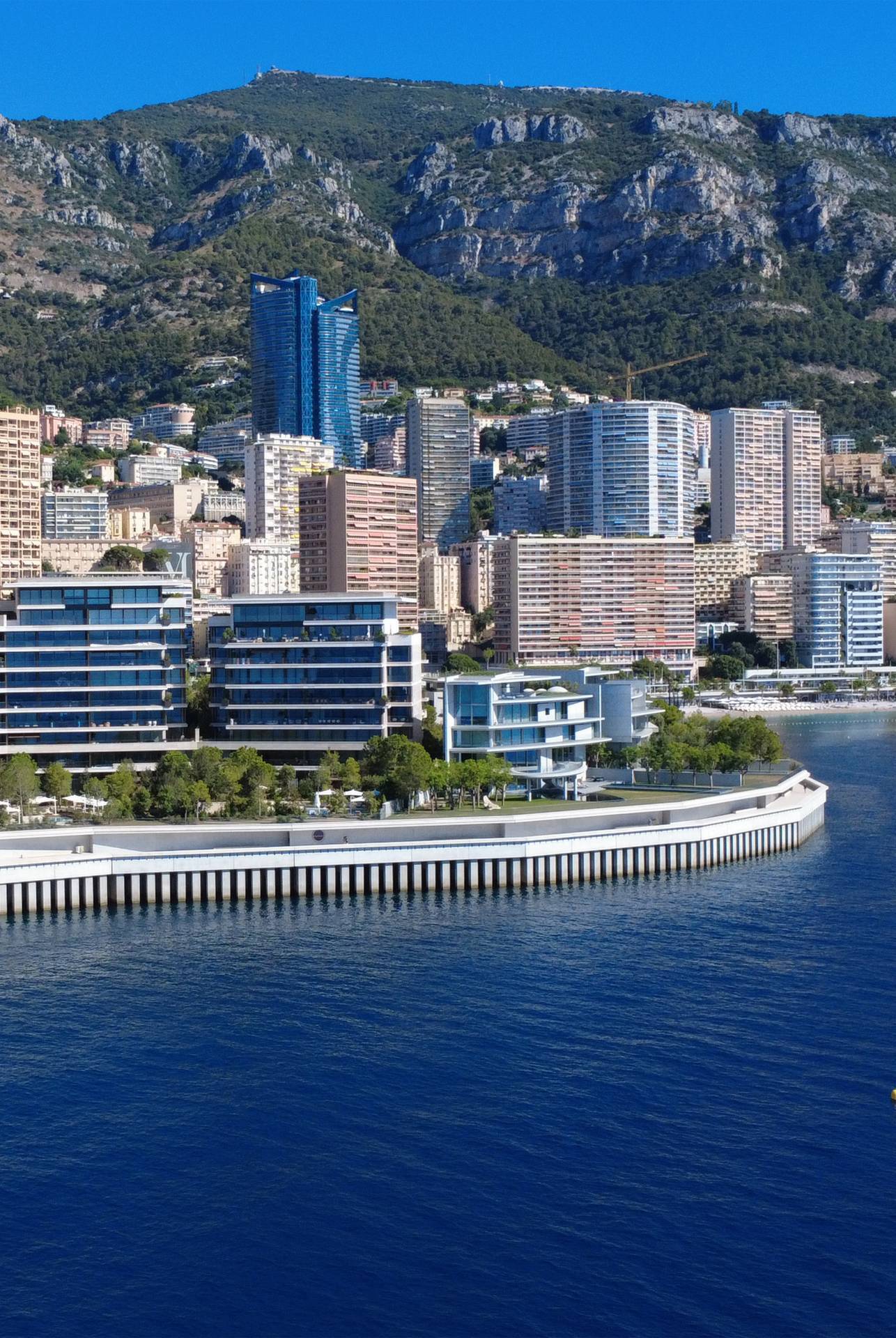
Buying property in Monaco is no ordinary transaction. Between specific legislation, scarce inventory, favorable taxation, and rental regulations, the Monegasque market plays by its own rules. Whether you're a future resident, an international investor, or simply curious about one of the world's most exclusive markets, here are the key points to know before you buy — with no unpleasant surprises.
Can anyone buy property in Monaco?
Anyone can buy in Monaco, including foreigners and non-residents. There are no restrictions on the acquisition of private real estate. Purchases can be made as an individual or through a legal entity, subject to certain transparency requirements. That said, buying a property does not automatically grant residency, that follows a separate procedure entirely.
Key takeaway : Monaco welcomes investors from around the world, but residency requirements remain rigorous.
What type of property can you buy?
Not all properties in Monaco are freely available on the open market. Some are governed by specific legislation:
- Law 887: properties for personal use or rental (under certain conditions)
- Laws 1291 / 1235: rent-controlled properties reserved for specific tenant profiles, notably long-term residents
- State-owned (Domaniaux): government housing, not available for purchase
- Private properties
- Office spaces
- Business goodwill, commercial premises, etc.
These legal frameworks directly affect pricing, long-term asset value, and rental possibilities. Identifying the legal status of a property before purchasing is essential — and often makes all the difference.
How does a property purchase work?
The process unfolds in three stages: accepted offer > preliminary sales agreement > notarized deed of sale.
The notary plays a central role in Monaco as a public officer, and their involvement is mandatory in any real estate transaction. Timelines typically run between two and three months. Financing can be arranged through Monegasque or international banks. The market moves efficiently, but negotiation margins remain limited — particularly for exceptional properties.
What costs should you expect?
- Registration fees: 4.75% of the purchase price
- Notary fees: approximately 1.5%
- Agency fees: buyer's and seller's commissions set according to the Monaco Real Estate Chamber's fee schedule
- No property tax in Monaco
- No capital gains tax in Monaco, except in specific cases depending on nationality or purchase structure
Why work with John Taylor?
Supply is limited, demand is constant, local expertise makes all the difference. Working with John Taylor Monaco gives you access to:
- Off-market or discreet listings (50% of our portfolio)
- In-depth, neighborhood-level market insight
- Guidance toward Monegasque firms specializing in finance, legal, and tax matters
Our role is to secure, accelerate, and add value to your investment. Beyond the transaction itself, it's our experience and understanding of this territory that sets us apart.
Buying in Monaco means entering an ultra-selective, highly regulated — but genuinely rewarding — market. Making a smart investment here requires more than counting square meters. It takes a real understanding of the legislation, the unwritten rules, the dynamics of each neighborhood, and the evolving landscape of upcoming projects and new developments that may reshape the market's balance. At John Taylor Monaco, our mission is to guide you with precision, transparency, and the highest standards.
Get in touch for a confidential first conversation with our team.